
COURSES
EASA B1/B2 Basic Program
Licensing in the aviation industry reflects operational safety and the nature of the business. A
license is a certification which permits the holder to carry out his job since employment in the
aviation sector demands technicality and great responsibility.
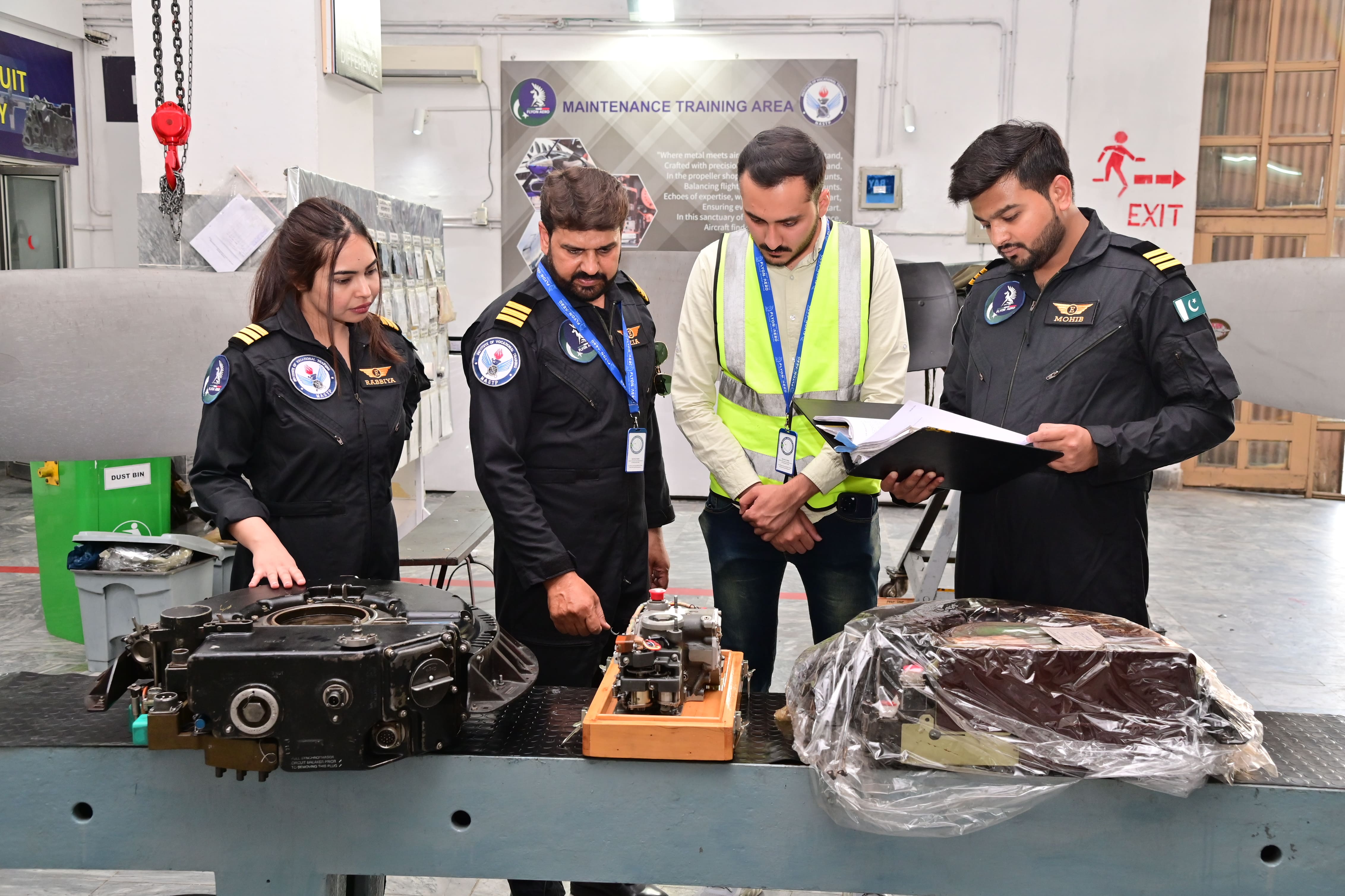
Aircraft engineers, like pilots, are responsible for safety and comfort of the passengers. Aircraft
Maintenance Engineer (AME) or an aircraft engineer is a license holder permitted to carry out
maintenance and repairs. They are also responsible for troubleshooting problems, overhauls, and
conducting inspections.
The engineering program is collaborated with the Part 66 license, a legal framework in Europe
that certifies aircraft engineers in EASA member countries, including the UK. This licensing system includes three categories: A, B, and C. Category B is a standard license certification which further
has two disciplines: B1 and B2.
B1 EASA license is related to mechanics, such as engines and airframes of an aircraft. EASA b2
license is related to avionics, which includes instrumentation and electronic equipment. Category
B license holders have the authority to issue a statement of release of an aircraft for service. Both
B1 and B2 licenses require in-depth maintenance knowledge of an aircraft.

Aircraft Maintenance Liscence (AML)
An aircraft maintenance license, often referred to as an Aircraft Maintenance Engineer (AME) license or Aircraft Maintenance Technician (AMT) license, is a certification that demonstrates an individual's competency to perform maintenance, repairs, and inspections on aircraft. It is required by aviation regulatory authorities such as the Pakistan Civil Aviation Authority (PCAA) in the Pakistan or the European Aviation Safety Agency (EASA) in Europe. Having an Aircraft Maintenance License (AML) is crucial for establishing and advancing a career in aircraft maintenance.

